

Deciding to quit drinking—or finally break a habit that has been weighing someone down—is rarely as simple as deleting a few bottles from the fridge or promising, “I’ll do better tomorrow.” The first few weeks can be mentally draining, especially during those late-night moments when cravings hit hard and motivation suddenly disappears.
That’s where a good sober tracking app can genuinely help. The best options do more than count days. They provide structure, accountability, emotional support, and visible reminders of the progress being made. Some focus on complete sobriety, while others are designed for people who want to cut back and build healthier routines over time.
To find the best choices, several popular sobriety apps were tested in everyday situations—not just for tracking streaks, but for how useful they felt during stressful moments, cravings, and setbacks. Factors included community support, habit tracking tools, progress insights, ease of use, and whether the apps felt encouraging instead of judgmental.
Here are three of the best sober day trackers currently available on App Store and Google Play.
Availability: App Store and Google Play
Pricing: Free version available; Sober Plus subscription costs $9.99/month or $39.99/year
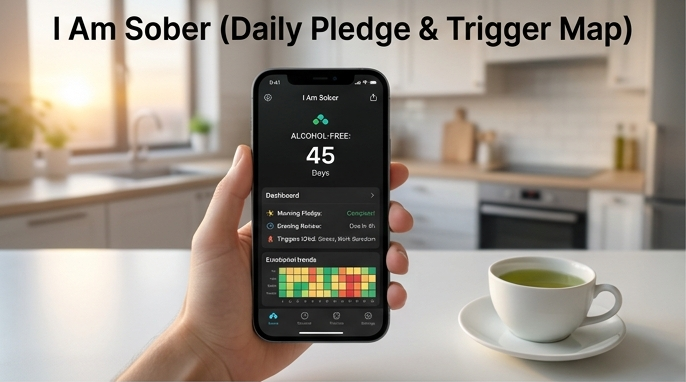
I Am Sober has become one of the most popular sobriety apps for a reason: it turns recovery into a daily practice rather than an overwhelming long-term goal.
The app starts each day with a simple pledge to stay sober, then ends the evening with guided reflection. During testing, that routine created a surprisingly strong sense of accountability. Instead of obsessing over “forever,” it encourages people to focus on getting through today.
A particularly useful element is how it tracks emotional triggers over time. During nightly check-ins, users can log what caused cravings or difficult moments—stress, boredom, social pressure, anxiety, and more. After a few weeks, patterns emerge that help users better understand habits and weak points.
Another standout feature is the milestone-based community system. Users are grouped with others at the same stage of recovery, which makes conversations feel more relatable and less intimidating.
Tracks multiple habits, not just alcohol
Helpful daily reflections and trigger tracking
Strong sense of community support
Excellent progress tracking for time and money saved
Some important features require a paid subscription
Cloud backups and private groups are locked behind premium
Availability: App Store and Google Play
Pricing: Completely free
Created by the charity Alcohol Change UK, Try Dry feels different from most traditional sobriety apps. Rather than pushing an all-or-nothing mindset, it helps users build healthier drinking habits in a realistic, low-pressure way.
That makes it a strong option for people who want to reduce alcohol consumption instead of quitting permanently.
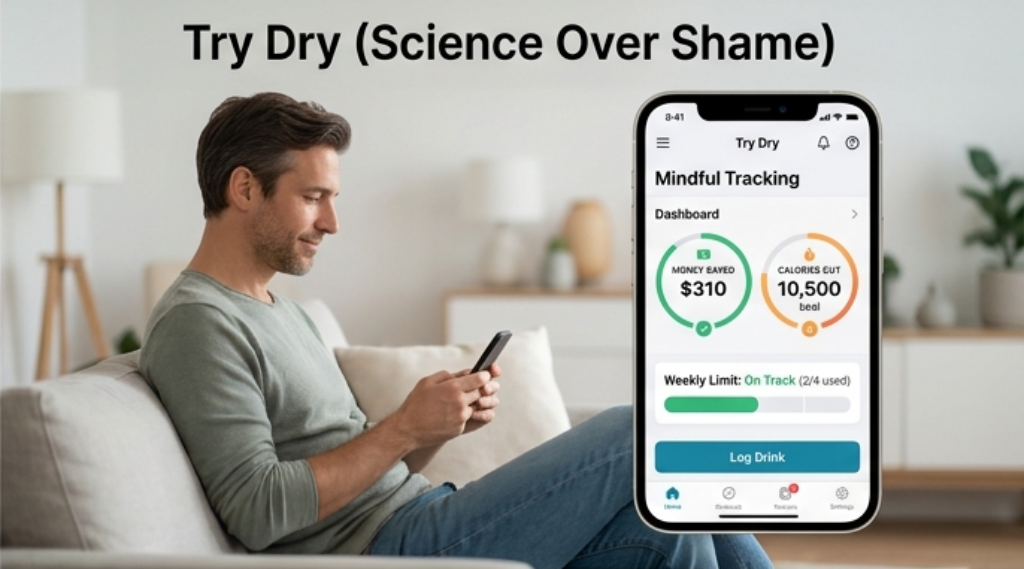
One feature that stood out during testing was how it handles setbacks. Logging a drink doesn’t erase progress or reset someone back to “Day 1.” Instead, the app tracks drinking against personal goals and limits. It treats habit change as gradual—rather than as a moral failure.
The app also does a good job visualizing practical benefits, including money saved, calories avoided, and alcohol units consumed over time.
Completely free with no ads
Encouraging, non-judgmental approach
Great for moderation and harm-reduction goals
Useful health and spending insights
Focused entirely on alcohol tracking
Not designed for other habits like vaping, gambling, or screen addiction
Availability: App Store and Google Play
Pricing: Completely free
Sober Sidekick focuses less on analytics and more on connection. If isolation is one of the biggest relapse triggers, this app stands out quickly.
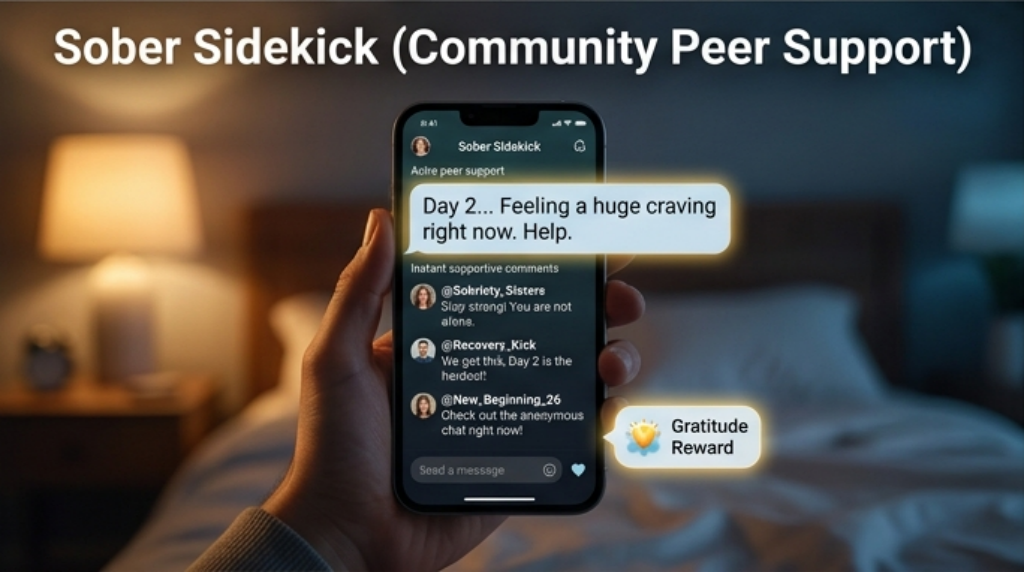
At its core, Sober Sidekick works like a social network built specifically for recovery. Users can post updates, ask for support, or use the app’s craving alert system when they’re struggling. During testing, community responses often arrived surprisingly fast—frequently within minutes.
The overall tone feels supportive rather than performative, which can matter for people who don’t feel comfortable discussing recovery openly in real life. The app also allows anonymous participation, helping users stay engaged without feeling exposed.
Completely free
Fast and supportive peer responses
Anonymous community participation
Helpful during moments of isolation or cravings
Interface feels dated compared to other apps
Limited analytics and progress-tracking tools
For most people who want to make a serious lifestyle change—whether that means quitting alcohol completely or breaking multiple unhealthy habits—I Am Sober remains the strongest overall choice.
Its mix of daily accountability, emotional reflection, progress tracking, and community support makes it feel less like a simple timer and more like a structured recovery companion. While some of the best features are locked behind a subscription, the app still offers one of the most balanced and thoughtful approaches to long-term habit change currently available.