

The internet has slowly moved beyond the traditional profile photo. Sure, people still upload selfies, but more users now build digital versions of themselves instead — stylized avatars, anime portraits, polished 3D characters, virtual fashion models, even full-on branded personas. Sometimes it’s about privacy. Sometimes it’s personal branding. And sometimes you just get tired of using the same slightly awkward headshot on every platform you own. A good avatar can make a gaming profile instantly recognizable, soften the stiffness of networking apps, or simply feel more expressive than another cropped iPhone photo ever will.
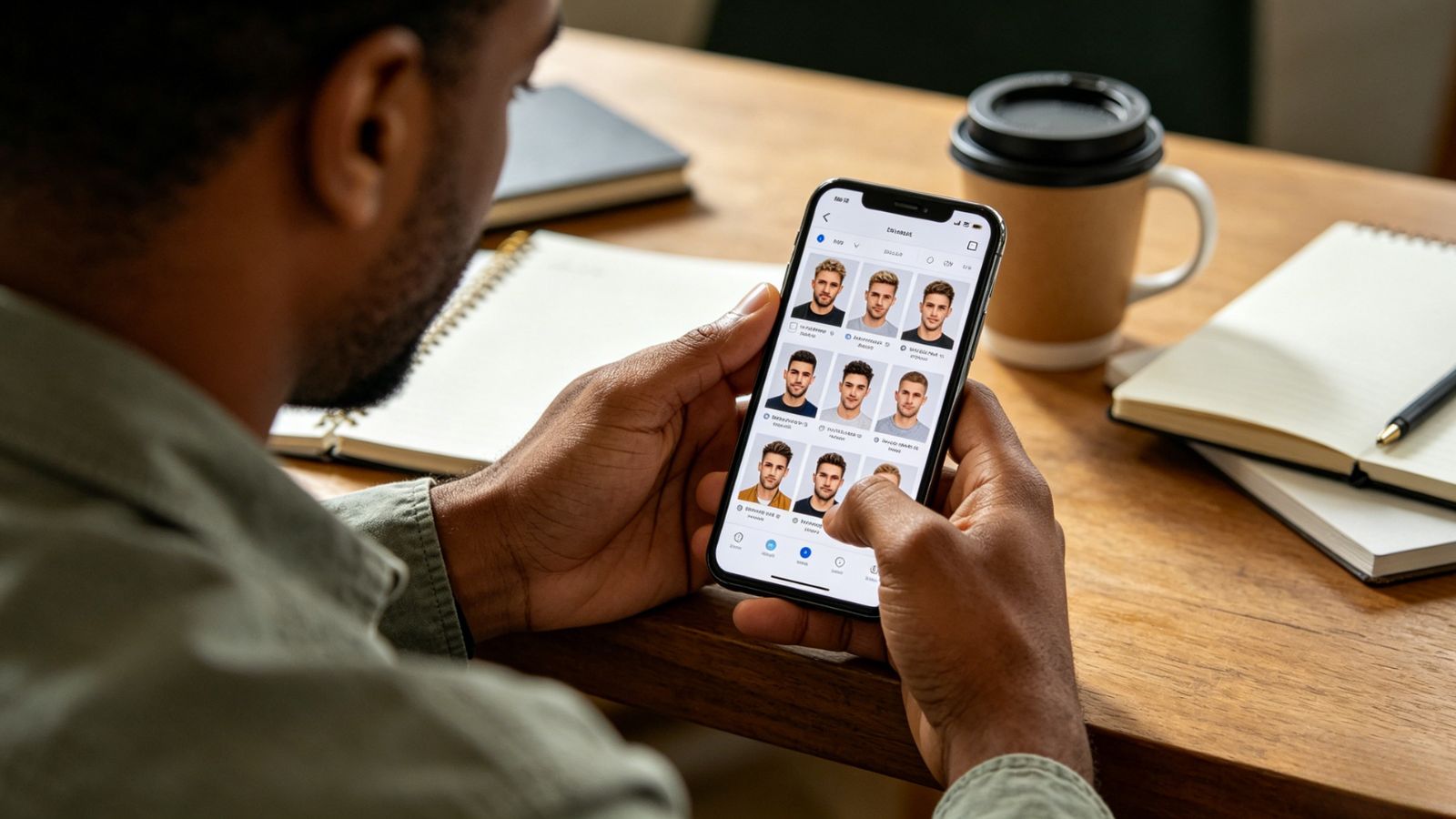
The problem is that most avatar apps still feel painfully generic. You download them expecting creativity and end up trapped in a character factory full of identical cartoon faces, locked hairstyles, and endless paywalls. The better apps stand out immediately because they give you actual control. Facial structure, lighting, clothing, proportions, export quality — all of it matters when your avatar needs to work across TikTok, Discord, Twitch, LinkedIn, Instagram, and gaming platforms. After testing the biggest avatar creators on iOS and Android, a handful clearly separated themselves from the crowd. Some focused on realism, others leaned into artistic style or social integration, and a few were surprisingly powerful for something running entirely on a phone screen. These are the ones genuinely worth your time.
Zepeto is what happens when an avatar creator stops thinking small.
At first glance, the app feels like a social metaverse platform — and technically, it is — but buried underneath all the virtual hangouts and digital fashion drops is one of the deepest mobile character creators currently available.
The facial customization alone is wildly detailed.
Upload a selfie and Zepeto generates a rough 3D version of your face within seconds. That’s only the starting point, though. The real magic kicks in once you start adjusting everything manually. Jawline width. Eye angle. Nose height. Cheekbone depth. Lip shape. Tiny structural details most apps completely ignore.
And unlike cheaper avatar generators, the character actually moves naturally afterward. Hair physics feel smooth. Lighting looks polished. Clothing textures don’t look pasted on like low-budget stickers.
The wardrobe system is enormous too. Streetwear, luxury fashion collabs, fantasy aesthetics, minimalist fits — you can spend hours tweaking outfits alone.
That said, Zepeto can feel overwhelming if all you want is a profile picture generator. The app constantly nudges users toward its larger social ecosystem, and the premium cosmetics are aggressively tempting.
Still, if customization depth matters most, very few mobile apps come close.
Extremely detailed facial editing tools
High-quality 3D rendering and animations
Massive fashion and accessory library
Excellent export options for photos and videos
Strong balance between realism and stylization
The social-world side of the app can feel cluttered
Premium cosmetics push microtransactions heavily
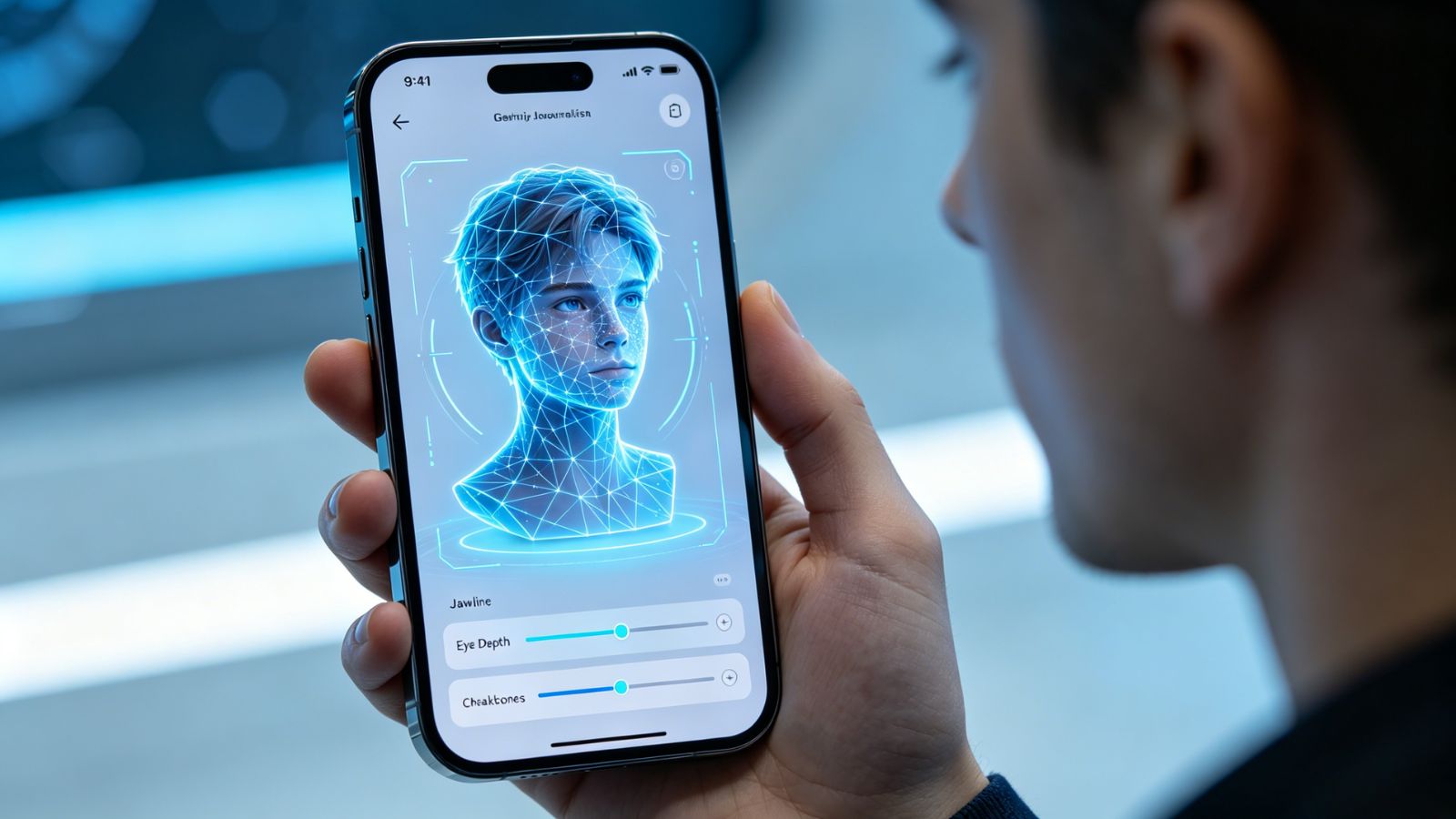
IMVU is a massive, long-standing native application built entirely for social avatar immersion. The core feature that functions with absolute, spectacular stability is its high-definition 3D lifestyle rendering and contextual posing engine. IMVU allows users to build an incredibly detailed, mature, and stylized 3D alter ego from scratch. Unlike standard 2D flat emojis, IMVU’s avatar creator focuses heavily on realistic fashion textures, detailed cosmetics, and physics-based body positioning. The real magic happens when you export your character: the app features a fully integrated dynamic photo studio that lets you position your 3D avatar into thousands of highly complex, expressive poses and high-fashion backdrops, rendering crisp, social-media-ready portraits that look like professional digital art commissions.
What is the pricing plan?
IMVU operates on a highly traditional freemium model. Downloading the standalone application and creating a basic account with a baseline wardrobe is entirely free. The app runs heavily on an internal economy driven by "Credits." While users can earn basic credits through in-app daily spins and watching promotional videos, unlocking high-end designer clothing collections, private virtual photo lounges, and elite VIP room customization packages requires microtransactions ranging from $0.99 to $49.99 or an optional monthly VIP subscription starting at $4.99.
A truly native, high-performance standalone smartphone application available globally on both the US App Store and Google Play.
An absolutely unparalleled, colossal digital fashion catalog featuring millions of community-created clothing items, shoes, and makeup styles.
Phenomenal built-in animation and camera rigging tools optimized perfectly for exporting high-resolution transparent profile pictures and social media avatars.
The monetization framework is incredibly aggressive, constantly pushing users to buy credits to access the trendiest wardrobe items.
Because the app features an active, real-time 3D rendering pipeline and heavy data packages, it can cause older or entry-level smartphones to overheat during prolonged design sessions.
Bitmoji survives because it understands one thing better than almost anyone else: convenience wins.
The app doesn’t care about cinematic lighting or advanced facial topology. It cares about making your digital self instantly usable everywhere.
And it absolutely nails that.
Once you build your cartoon avatar, Bitmoji floods your keyboard with custom reaction stickers, poses, expressions, memes, and animated reactions tailored to your character. Suddenly your texts, DMs, emails, and group chats all carry the same recognizable personality without any extra effort.
That seamless integration is why people stick with it for years.
The actual customization process is simple but surprisingly effective. A single selfie gives the app enough information to build a recognizable cartoon version of you, and from there you can tweak hairstyles, outfits, accessories, makeup, body shape, and facial features pretty quickly.
It’s not trying to be realistic. That’s the point.
Bitmoji works because it embraces exaggerated 2D personality instead of chasing realism it can’t fully achieve.
Seamless keyboard integration
Massive sticker and reaction library
Fast setup process
Completely free customization
Locked entirely into a 2D cartoon style
No custom posing or advanced animation controls
Avatoon sits somewhere between avatar creator and social media editing suite.
The app’s strongest feature isn’t necessarily the character creation itself — although there’s plenty of customization there — it’s the way avatars interact with real photos afterward.
Once your cartoon character is built, Avatoon lets you place it directly into actual images. Street photos. Coffee shops. Beaches. Office selfies. You can resize the avatar, adjust positioning, tweak expressions, and create social posts that blend illustration with photography surprisingly well.
Done right, it looks playful rather than gimmicky.
The interface is approachable too. Casual users can jump in without needing tutorials or endless menu digging, which makes it appealing for people who just want fun Instagram stories or profile graphics without spending hours perfecting tiny details.
The downside? The monetization gets aggressive fast.
Video ads interrupt the workflow constantly on the free version, and the subscription pricing feels steep for what’s ultimately a casual avatar app.
Great photo-and-avatar blending tools
Easy learning curve
Strong social-media-friendly editing features
Fun expression and text overlay system
Expensive subscription structure
Too many ads in the free version
Dollify doesn’t even attempt realism.
Instead, it commits fully to a very specific aesthetic: oversized eyes, soft textures, pastel tones, polished symmetry, and portrait-style avatars that look hand-illustrated rather than machine-generated.
Honestly, that focus works in its favor.
A lot of avatar apps try to satisfy everyone and end up feeling generic. Dollify knows exactly what it wants to be. Every hairstyle, accessory, and facial feature feels artistically consistent because the assets were clearly designed together from the start.
The result is clean, cohesive, and weirdly charming.
It’s also one of the least stressful avatar apps to use. No cluttered social hubs. No confusing mechanics. No endless upgrade pressure. Just build a character, customize it, export it, done.
Of course, that singular style can also become limiting. If you don’t like the soft doll-like aesthetic, there really isn’t another lane here.
Beautiful, polished art direction
Extremely easy to use
Affordable one-time premium unlock
Clean and distraction-free workflow
Only supports one artistic style
No AI-assisted face scanning
Different avatar apps solve different problems.
Bitmoji dominates casual messaging. Dollify creates gorgeous stylized portraits. Avatoon works well for social content creators mixing avatars with photography.
But if you want the most complete package — deep customization, polished rendering, strong exports, and enough flexibility to actually create something personal instead of generic — Zepeto still stands above the rest.
It gives users real control over how they present themselves online.
Not just “pick a preset face and move on” control. Actual sculpting. Fine adjustments. Style experimentation. Personality. The difference between a disposable cartoon and a digital identity that genuinely feels like yours.
And online, that distinction matters more than ever.