

Every EV driver eventually experiences the same moment of panic: the battery is running low, the nearest fast charger appears available on the map, and after driving several extra miles to reach it, the station turns out to be offline, damaged, or painfully slow.
Broken chargers — often called “ghost stations” by EV owners — remain one of the biggest frustrations of electric vehicle travel. Charging infrastructure has expanded rapidly, but station reliability and maintenance have not always kept pace. In many cases, network apps still show chargers as “Online” even when cables are malfunctioning or charging speeds have collapsed far below advertised performance.
To see which apps actually help drivers avoid dead chargers, several leading EV charging tools were tested during long-distance highway travel, urban charging sessions, and multi-network road trips. The focus was not on flashy interfaces, but on one thing: accurately identifying chargers that are truly operational.
These four apps stood out as the most reliable options in 2026.
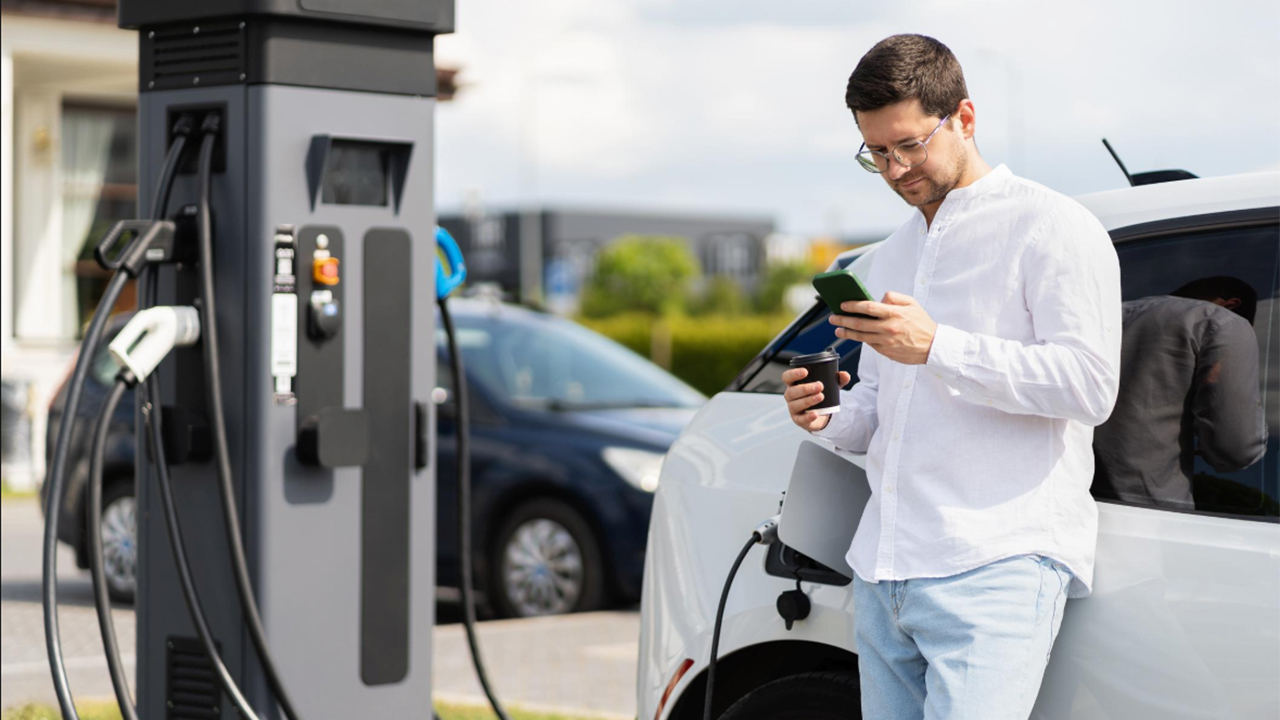
Availability: iOS, Android, and Web
Pricing: Free
PlugShare remains the most dependable all-around app for checking whether a charging station is actually usable before arriving.
Its biggest strength is the community-driven PlugScore system. While the app pulls live network data from major charging providers, the real value comes from recent user check-ins, photos, and comments from drivers who physically tested the station.
During testing, PlugShare repeatedly flagged malfunctioning chargers that still appeared “Available” inside official network apps. In one case, a fast charger showed a sharply declining PlugScore along with a user comment posted minutes earlier warning about repeated charging faults.
That kind of real-world feedback is often far more reliable than automated network status reports.
Excellent user-generated reliability reporting
Works across nearly every charging network
Helpful station photos and recent check-ins
PlugScore system quickly identifies unreliable locations
Interface feels dated compared to newer apps
CarPlay and Android Auto support is fairly limited
Heavy reliance on active user participation in rural areas
Availability: iOS and Android
Pricing: Free basic version / Plus subscription available
Chargeway takes a simpler, more visual approach to EV charging navigation. Instead of overwhelming users with connector names and technical charging specs, it organizes charging compatibility using a color-and-number system that is much easier for newer EV owners to understand.
More importantly, its real-time station monitoring handles uncertainty better than many competitors. Instead of incorrectly labeling a disconnected charger as operational, the app will often display limited or unavailable status information directly.
That transparency helps drivers avoid wasted detours.
The built-in trip planner is also surprisingly practical, factoring in weather, speed, and charging compatibility automatically.
Beginner-friendly interface
Clear compatibility system for plugs and charging speeds
Clean map design with minimal clutter
Useful trip-planning features
Smaller user community than PlugShare
Some advanced pricing tools require a subscription
Less detailed crowdsourced reporting in remote regions
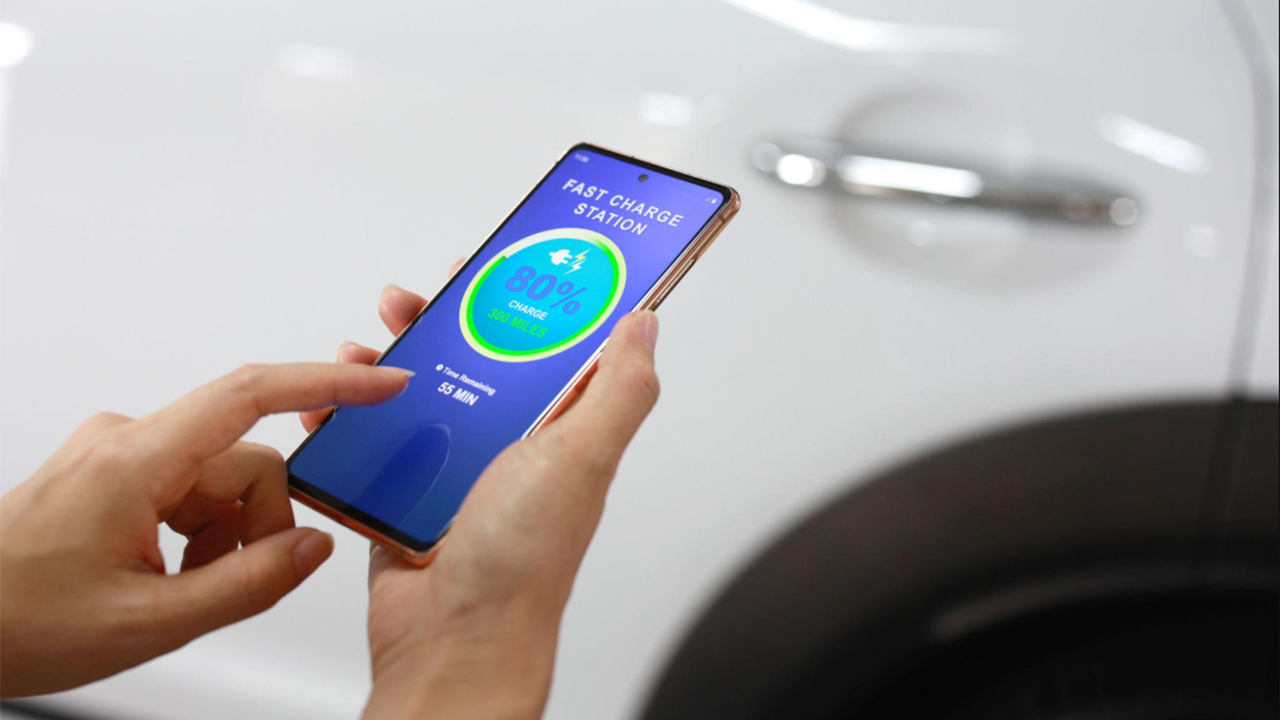
Availability: iOS, Android, and Web
Pricing: Free basic version / Premium subscription available
A Better Routeplanner — commonly called ABRP — is one of the most powerful road-trip tools available for EV drivers.
Unlike standard charging maps, ABRP focuses heavily on route optimization. It calculates charging stops based on your exact EV model, elevation changes, traffic conditions, weather, and projected battery consumption.
Many experienced EV owners use ABRP together with PlugShare: ABRP plans the most efficient route, while PlugShare verifies whether the chargers along that route are functioning properly.
Its premium features become especially useful during long-distance travel. With live vehicle data integration, ABRP can dynamically recalculate routes if battery usage changes unexpectedly due to temperature, traffic, or driving conditions.
Extremely accurate EV route planning
Factors in terrain, weather, and battery performance
Highly customizable charging preferences
Excellent for long road trips
Steeper learning curve for casual users
Interface can feel technical and overwhelming
Some real-time features require a paid subscription
Availability: iOS and Android
Pricing: Free app / Charging fees vary
As Tesla continues opening parts of its Supercharger network to non-Tesla vehicles, the Tesla app has become increasingly useful for all EV owners — not just Tesla drivers.
The biggest advantage is simple: Superchargers remain among the most reliable fast chargers in the industry.
During testing, the app consistently delivered accurate stall availability, clear charging access information, and seamless payment handling. Unlike some third-party charging networks, Tesla’s infrastructure rarely suffers from broken payment systems or offline terminals.
For compatible vehicles, the experience is still one of the smoothest available: plug in, charge, and leave.
Extremely reliable charging infrastructure
Accurate real-time stall availability
Smooth payment and charging experience
Growing support for non-Tesla EVs
Limited to Tesla-operated charging locations
Coverage varies depending on region and vehicle compatibility
Non-Tesla pricing can be higher without membership plans
For overall reliability, PlugShare remains the most valuable EV charging app in 2026.
Automated network data alone is not enough to guarantee that a charger is truly functional. PlugShare’s community-driven reporting system gives drivers real-time insight into broken equipment, charging-speed issues, and station reliability before they arrive.
For road trips, pairing A Better Routeplanner with PlugShare is still one of the smartest strategies available: one app plans the route, while the other confirms the chargers actually work.
Meanwhile, Chargeway is an excellent beginner-friendly option, and Tesla remains essential for accessing the increasingly important Supercharger network.