

Moving is stressful even under the best circumstances. Packing fragile belongings, coordinating schedules, and managing dozens of small logistical details can quickly become overwhelming. But for many people, the biggest concern is trusting strangers to safely transport everything they own.
That concern is not unfounded. The moving industry has long struggled with hidden fees, unreliable operators, damaged items, and even outright scams involving held possessions or surprise charges. As a result, more homeowners and renters are turning to apps that promise verified movers, transparent pricing, and built-in insurance protection.
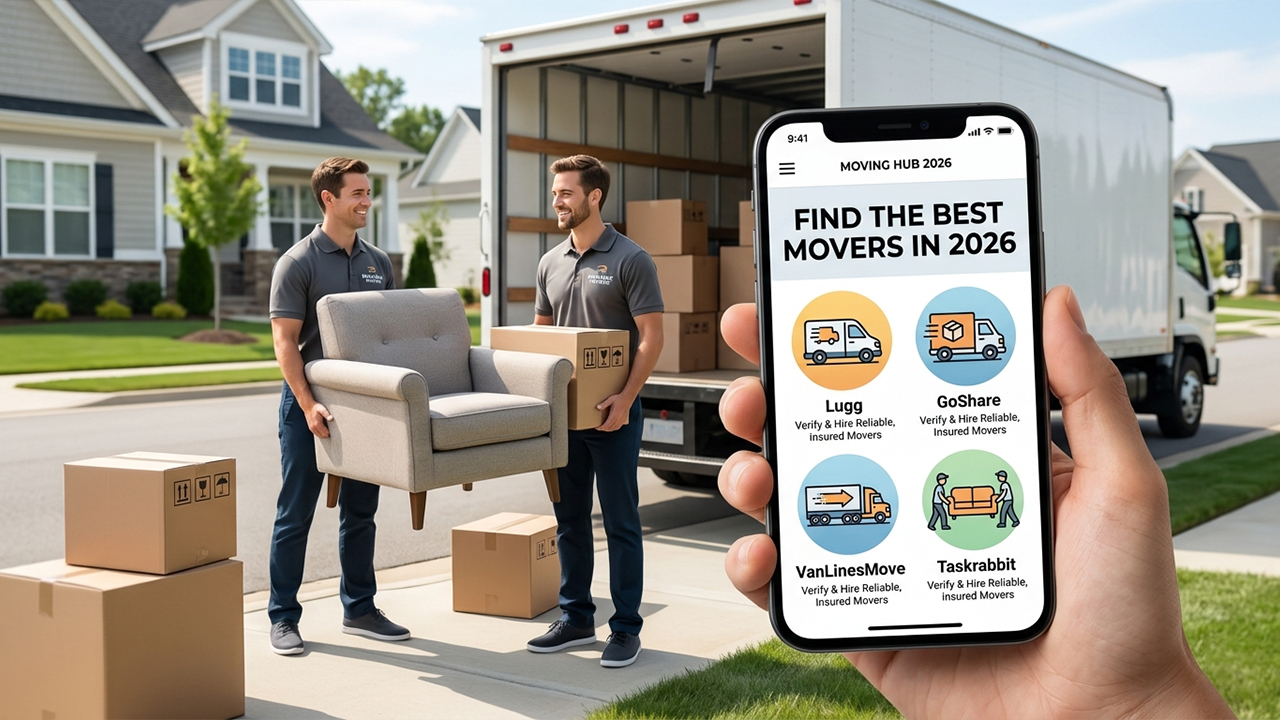
After testing several of the most popular moving-service platforms available in 2026, one thing became obvious: the market has split into two very different categories. Some apps focus on fast, local, on-demand moves, while others specialize in coordinating large interstate relocations through licensed commercial carriers.
The best apps reduce uncertainty, simplify communication, and make pricing easier to understand before moving day arrives. Here are the four platforms that stood out during testing.
For local apartment moves, furniture pickups, or short-distance hauling, Lugg delivers one of the smoothest on-demand moving experiences currently available.
Instead of forcing users through lengthy quote requests and follow-up sales calls, the app keeps the process simple. Users enter pickup and drop-off locations, choose the items being moved, and receive an upfront price estimate almost instantly.
One of Lugg’s biggest strengths is transparency. Pricing is clearly displayed before booking, and the app includes GPS tracking so users can monitor the truck’s arrival and movement in real time.
The platform also adds an important layer of reassurance by background-checking movers and including commercial cargo protection coverage during jobs. That extra accountability makes the experience feel far more reliable than hiring random local movers through classified ads or social media.
Lugg works especially well for:
Studio and apartment moves
Same-city relocations
Large furniture delivery
Emergency last-minute moving help
Transparent upfront pricing
Fast booking process
Real-time GPS tracking
Commercial insurance protection included
Excellent for local moves and furniture transport
Limited to major metropolitan areas
Not designed for interstate moves
Limited support for specialty appliance setup or disconnection
GoShare positions itself as an “Uber for trucks,” but in practice it feels more like a professional logistics platform than a typical gig-economy app.
The service scales well across multiple use cases, from small residential moves to large freight deliveries. During testing, the app handled detailed inventory input and vehicle selection better than most competitors.
One area where GoShare performs particularly well is vetting. Drivers undergo background checks and vehicle inspections, and projects include cargo and liability coverage for additional protection.
The app’s pricing engine dynamically adjusts estimates based on distance, item volume, and vehicle type. While prices can rise during busy periods, the upfront estimate process is still clearer than what many traditional moving companies offer.
GoShare is a strong option for users who want more vehicle flexibility than smaller moving apps provide.
Wide range of vehicle sizes available
Strong insurance and screening standards
Available in more regions than many competitors
Suitable for both residential and light commercial moves
Surge pricing can increase costs during peak demand
Interface feels more business-oriented than consumer-friendly
Accurate measurements are important for quote precision
Available on: Web
Pricing: Free platform access / Carrier quotes vary
For long-distance or interstate moves, apps like Lugg and GoShare are simply not built for the job. That is where VanLinesMove becomes far more useful.
Instead of dispatching independent contractors, the platform connects users with licensed interstate moving companies that hold active Department of Transportation (DOT) credentials and commercial insurance coverage.
The process is built around comparison shopping. Users submit inventory details, destination information, and moving dates, then receive multiple quotes from verified carriers competing for the project.
This approach removes much of the uncertainty that traditionally comes with long-distance moving. Rather than spending hours calling companies individually, users can compare pricing, services, and timelines in one place.
The platform also acts as a centralized dashboard for inventory management, communication, and digital paperwork.
Excellent for interstate and cross-country moves
Connects users with licensed commercial carriers
Makes quote comparison far easier
Better suited for large household relocations
Slower process than instant-booking apps
Requires detailed inventory information
Multiple incoming quotes may feel overwhelming for some users
The best moving app ultimately depends on the type of move being planned.
Lugg is the strongest overall option for local apartment moves, furniture transport, and fast same-day hauling thanks to its simple interface and transparent pricing.
GoShare works well for users who need more vehicle flexibility or slightly larger-scale logistics support.
VanLinesMove is the clear choice for interstate or long-distance household relocations involving licensed commercial carriers.
No app can remove every challenge that comes with relocating, but the right platform can significantly reduce stress, improve pricing transparency, and make the entire process feel more manageable.