

Spam calls used to be incredibly easy to avoid. You’d see an unfamiliar overseas area code, hear a stiff robotic voice, and instantly recognize a generic warranty scam. Blocking those numbers took zero effort.
Scams look nothing like that today.
Modern scammers spoof local phone numbers to feel familiar. They impersonate major banks, delivery brands, and even government agencies with unsettling accuracy. Many now deploy AI-generated voices that sound entirely human. To stay one step ahead of basic block tools, they cycle through new burner numbers nonstop, making manual blacklists nearly useless.
This shift is why crowdsourced caller ID apps have become essential. Instead of relying on limited carrier databases, these tools tap into millions of community reports to flag all kinds of unwanted and fraudulent calls: standard spam lines, telemarketers, debt collectors, financial fraud attempts, political robocalls, and fake customer service hotlines.
Top-tier platforms don’t just block calls after they ring. They actively warn you before you pick up, stopping scams before you engage.
This roundup covers fully functional, actively updated apps on iOS and Android built specifically for identifying unknown callers via large-scale crowdsourced spam data. Every tool was graded on detection accuracy, database size, community reporting efficiency, caller ID consistency, user privacy practices, everyday usability, and clear pricing structures.
Some tools prioritize aggressive automatic blocking. Others focus on precise caller identification and proactive fraud alerts. These are the standout spam caller apps worth using in 2026.
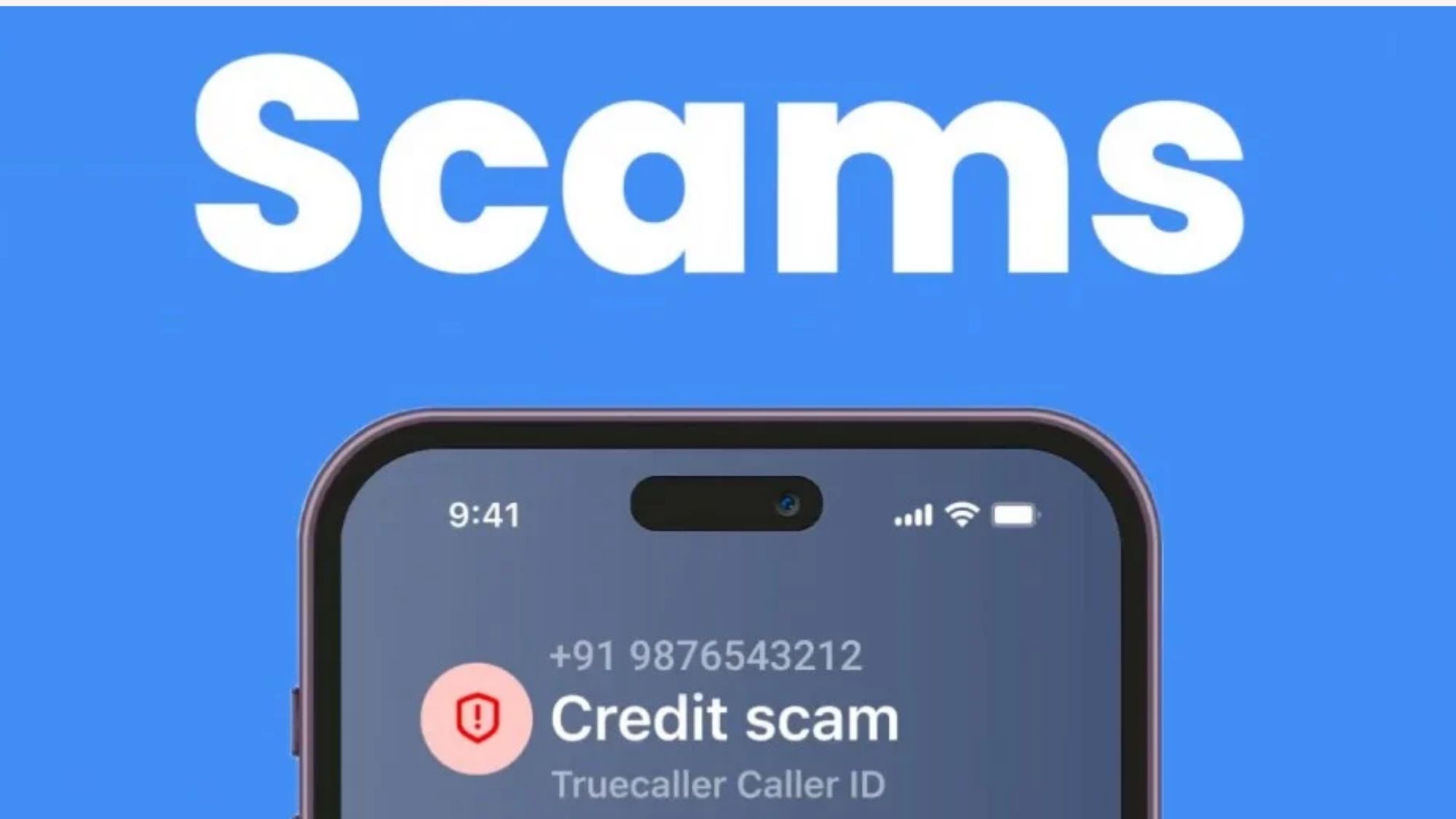
Availability: iPhone, Android
Pricing: Free core features; optional premium subscription upgrade
Truecaller remains the most recognized name in crowdsourced caller ID, and its dominance boils down to one massive advantage: unmatched database scale. Boasting over a billion global downloads and hundreds of millions of active users, its community-driven reporting network is unrivaled in the industry.
Every time a user flags a suspicious number, the platform updates its global library in real time. This lets Truecaller spot emerging spam and scam campaigns almost instantly — even when scammers rapidly rotate new phone numbers to evade basic blockers. Its core toolkit covers live caller ID lookup, clear spam labeling, real-time fraud warnings, SMS spam filtering, and automatic call blocking.
In side-by-side testing, Truecaller consistently identifies spam numbers faster and more accurately than competing apps. No other consumer platform matches its speed at catching newly registered scam lines.
That power comes with a notable tradeoff. Its entire caller ID ecosystem relies on broad contact and number indexing across its user base, which creates valid privacy concerns for users who prioritize strict data minimalism. Free users also encounter frequent ads and persistent premium upgrade prompts.
Industry-leading crowdsourced spam database size
Exceptionally accurate spam call detection
Reliable identification for unknown, unregistered numbers
Strong built-in SMS spam filtering
Full cross-platform support for iOS and Android
Large-scale data indexing raises privacy red flags
Free version features frequent in-app advertisements
Aggressive premium subscription upsells
Users flooded with daily spam calls who prioritize detection speed and accuracy above all other features.
Availability:iphone, Android
Pricing: Free basic protection; premium subscription unlocks full features
Hiya flies slightly under the radar for casual users, but it powers backend spam protection for major mobile carriers and device manufacturers worldwide. Its industry partnerships grant it robust, verified threat data that many consumer-only apps lack.
The app zeroes in on precise, clean protection without unnecessary extras. Its core strengths include proactive spam detection, real-time scam warnings, targeted fraud alerts, reverse phone lookup functionality, and automatic malicious call blocking. It excels specifically at spotting high-risk impersonation scams, including fake bank outreach, IRS tax fraud lines, fraudulent insurance pitches, and generic telemarketing spam.
The overall user experience feels far cleaner and less cluttered than Truecaller’s busy interface. It focuses purely on call safety rather than packing in social or messaging add-ons.
The main downside is restricted free-tier functionality. Most of its most powerful fraud detection tools sit behind a premium subscription, and its community reporting network is smaller than Truecaller’s, slowing detection for brand-new scam campaigns. Free users also face strict limits on reverse phone lookups.
Highly precise fraud and scam detection algorithms
Streamlined, ad-light interface design
Reliable, timely fraud alert notifications
Consistent caller ID accuracy for legitimate businesses
Less bloated and intrusive than top competitors
Best protective features require a premium subscription
Smaller crowdsourced community than Truecaller
Limited reverse lookup access for free users
Users who want clean, unobtrusive fraud protection without overwhelming interface clutter.
Availability:iphone, Android
Pricing: Subscription-only access with a free trial period
RoboKiller takes a far more aggressive stance against spam calls than most competing platforms. It combines predictive behavioral analysis, audio fingerprinting technology, global crowdsourced scam databases, and AI-powered filtering to neutralize junk calls before they reach your device.
Automation is its greatest strength. The app silently intercepts and blocks massive volumes of robocalls and scam attempts entirely in the background, so your phone never rings at all. It’s best known for its viral Answer Bots — playful pre-recorded auto-responses that engage scammers and waste their time, a quirky feature that’s made it a fan favorite.
Beneath the memorable gimmicks lies serious, reliable protection. Its core call and SMS spam filtering tools deliver consistent results against even sophisticated modern robocall campaigns.
The biggest barrier to entry is cost. RoboKiller sits among the priciest options in this category. It also occasionally flags legitimate calls as spam, and its marketing leans heavily on entertaining features rather than pure security functionality.
Industry-leading aggressive spam call blocking
Near-flawless robocall filtering performance
Smart AI-driven scam pattern recognition
Fully automated, hands-off background protection
Solid secondary SMS spam filtering capabilities
Premium-only pricing is relatively expensive
Occasional false positives block legitimate calls
Brand leans heavily on entertainment features over core security
Users overwhelmed by nonstop robocalls who want maximum automated blocking power.
Availability:iphone, Android
Pricing: Free basic version; optional premium subscription
Call Control flies under many users’ radars, but its quiet, community-focused protection works surprisingly well for everyday use. Its flagship CommunityIQ system crowdsources real-time spam reports from users worldwide, letting new scam number flags spread rapidly across its network.
The app specializes in blocking neighborhood spoofing — one of the most common modern scam tactics where fraudsters mimic local area codes to trick users into answering. It also offers reliable manual blacklist management, basic caller ID lookup, and lightweight SMS spam blocking.
Its biggest advantage is simplicity. There are no flashy gimmicks, bloated social tools, or unnecessary add-ons. It does exactly what it’s supposed to do: block spam calls cleanly and efficiently.
The tradeoff is scale. Its community database cannot match the size and speed of Truecaller’s global network, so brand-new scam numbers may slip through longer before being flagged. It also lacks the visual polish and advanced features of top-tier competitors.
Responsive community-powered spam reporting system
Ultra-simple, easy-to-navigate interface
Strong defense against local number spoofing scams
Lightweight performance with no system bloat
Smaller, slower-updating spam database
Less polished user experience than major rivals
Advanced protective features require premium upgrades
Users seeking lightweight, no-frills community-driven spam protection.
Availability: Android exclusive
Pricing: 100% free
Google’s native Phone app is one of Android’s most underrated security tools. Its built-in Caller ID & Spam Protection leverages Google’s massive global threat datasets to accurately flag suspected spam calls, active scam lines, automated robocalls, and high-risk fraud attempts.
Beyond basic detection, it offers hands-free call screening, automatic spam call silencing and blocking, and verified business caller ID to confirm legitimate outreach. Best of all, it’s baked directly into the Android ecosystem. No third-party downloads, no subscriptions, and no complex setup required.
The only hard limitation is platform lock-in. iPhone users cannot access this native integration, leaving Apple device owners reliant on third-party alternatives. It also offers far less customization and aggressive blocking than dedicated premium tools like RoboKiller.
Completely free with zero hidden costs
Deep native integration with Android systems
Consistently strong spam and scam detection
Zero manual configuration needed
Lightweight, fast, and unobtrusive background operation
Exclusive to Android devices
Limited customization and manual control options
Less aggressive blocking than dedicated premium spam tools
Android users who want reliable baseline spam protection without extra apps or subscriptions.
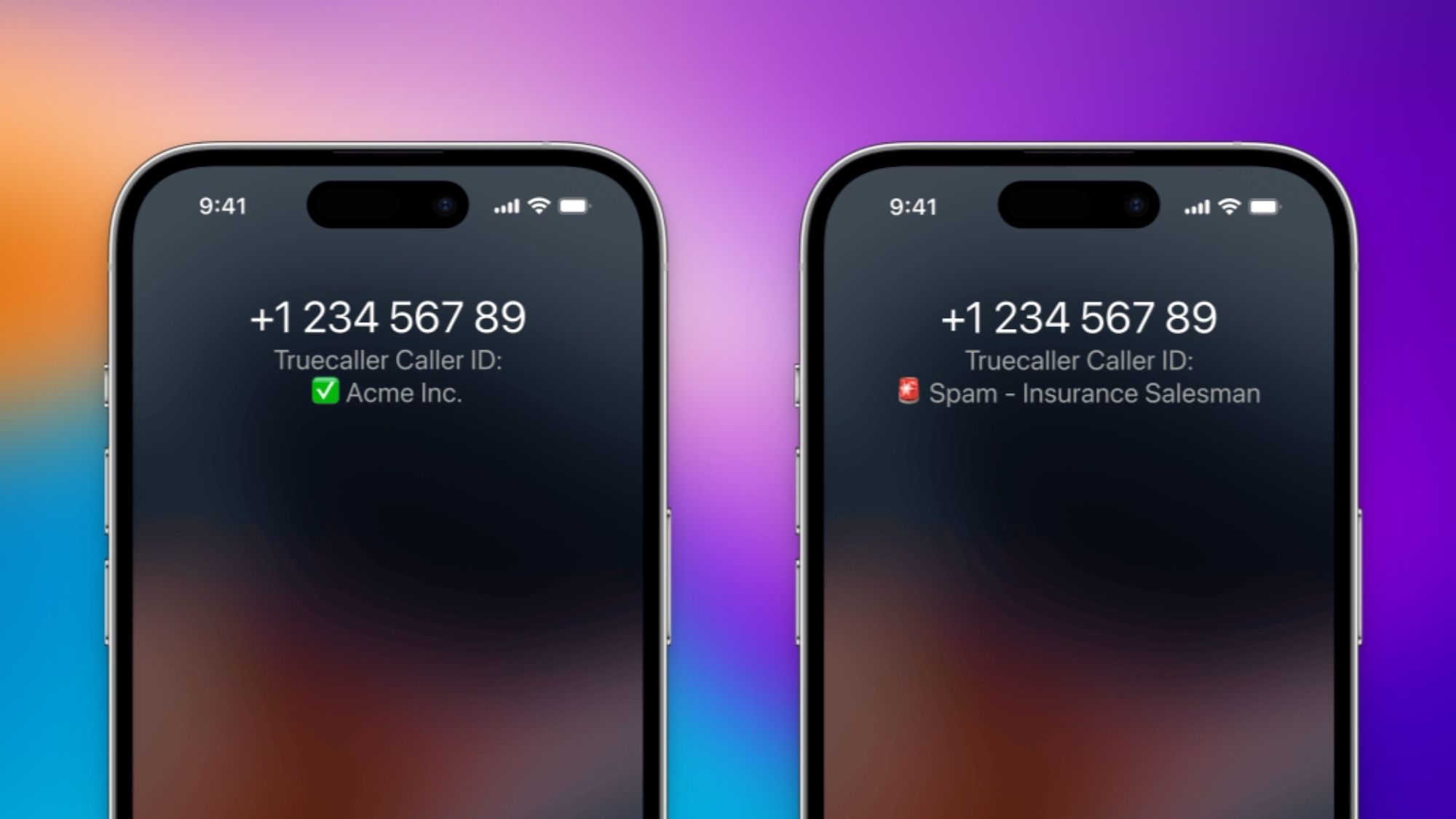
Truecaller remains 2026’s best overall spam caller ID app for most users. Its unmatched global community reporting network spots new scam campaigns faster than any competitor, making it the most dependable choice for fighting today’s rapidly evolving phone fraud tactics.
Every user’s priorities differ, though, and niche use cases call for specialized tools.
Best Overall Spam Caller App: Truecaller
Best Clean, Minimal User Experience: Hiya
Best Aggressive Automatic Spam Blocking: RoboKiller
Best Lightweight Community Protection: Call Control
Best Free Native Android Solution: Google Phone
Scammers are evolving their tactics faster than most defense systems can keep up. They now rely on local number spoofing to build trust, hyper-realistic AI voice generation to mimic real people, disposable burner numbers to avoid blacklists, fake support identities for major brands, and dynamic routing systems to evade static block databases.
No single caller ID app offers perfect protection. Crowdsourced tools excel at stopping established spam lines, but newly registered scam numbers always slip through temporarily before community reports update the global databases.
This creates a persistent privacy and security debate. Top caller ID platforms function by aggregating massive phone number datasets and indexing user contact information — a necessary tradeoff for accurate detection, but one that understandably makes privacy-focused users cautious.
The smartest 2026 defense strategy relies on layered protection. Combine built-in carrier spam filtering, a reputable crowdsourced caller ID app, consistent personal skepticism toward unknown calls, and zero trust for urgent financial or personal data requests over the phone.
Modern spam calls are no longer just minor annoyances. They’re sophisticated fraud attempts designed to exploit distraction, fear, and blind trust — making reliable caller ID and spam blocking tools non-negotiable smartphone security essentials.