

Getting into classical music can feel oddly intimidating.
You open a streaming app, search for Beethoven Symphony No. 9, and suddenly you're staring at dozens—sometimes hundreds—of nearly identical recordings. Different orchestras. Different conductors. Different years. Same title. Same composer. No explanation.
If you're new to it, it can feel like everyone else received a handbook you somehow missed.
And that’s really the problem. Classical music isn’t difficult because the music itself is inaccessible. It’s difficult because context matters. A lot.
A Bach piece and a Tchaikovsky piece aren’t separated only by notes on a page. They come from different worlds entirely. Different centuries, different ideas, different emotional priorities. The tightly structured architecture of the Baroque era and the emotional storms of Romantic music can sound like entirely different languages if nobody helps connect the dots.
Listening alone only gets you partway there.
Eventually, you need a guide—something that explains why the music sounds the way it does, who wrote it, and what was happening around them when they did.
We looked at the strongest apps through three questions: Can you actually navigate the music easily? Does the app teach instead of just stream? And does it connect education with listening in a way that feels natural?
Here’s where things landed.
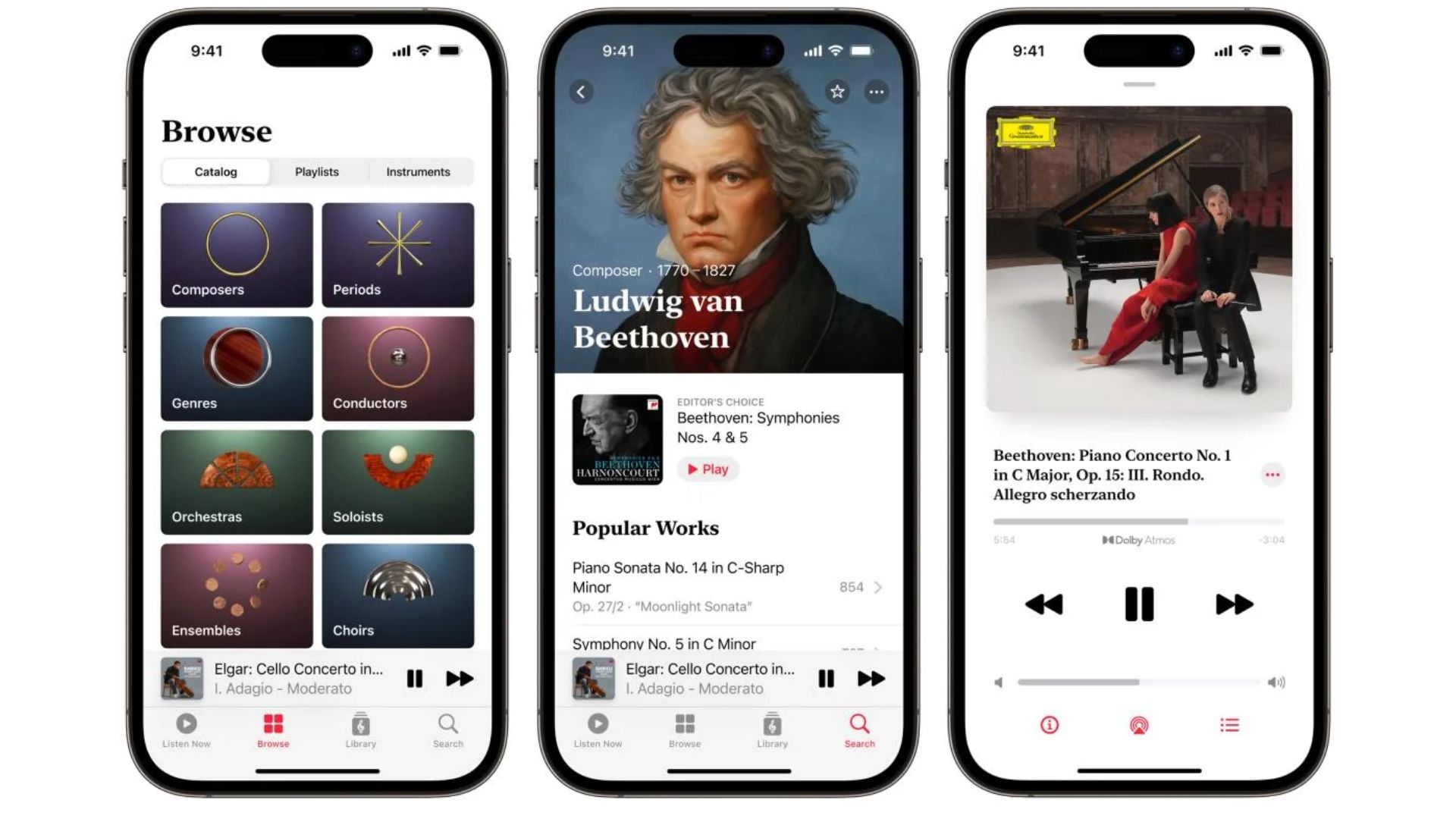
Pricing: Included with an Apple Music subscription ($10.99/month)
Most music apps treat classical music like a filing cabinet.
Apple Music Classical feels more like someone sitting beside you saying, "Okay—start here."
Its standout feature, The Story of Classical, turns what could have been dry educational content into guided audio experiences. Instead of handing you walls of text, it walks you through composers and musical periods while weaving in actual music along the way.
And that changes everything.
Because hearing the shift from Mozart’s precision to Beethoven pushing against those boundaries is far more powerful than reading a paragraph explaining it.
You hear the transition happen.
You hear the rules start bending.
Suddenly history becomes audible.
· Outstanding search tools let you sort by composer, conductor, key, instrument, opus number, and more.
· Composer biographies and synchronized listening notes add context without overwhelming you.
Cons
· No standalone option exists if you only want the educational content.
· The experience leans heavily on streaming, which makes offline exploration less convenient.
· Still, if you've ever searched for classical music and immediately felt lost, this app fixes a lot of that confusion.
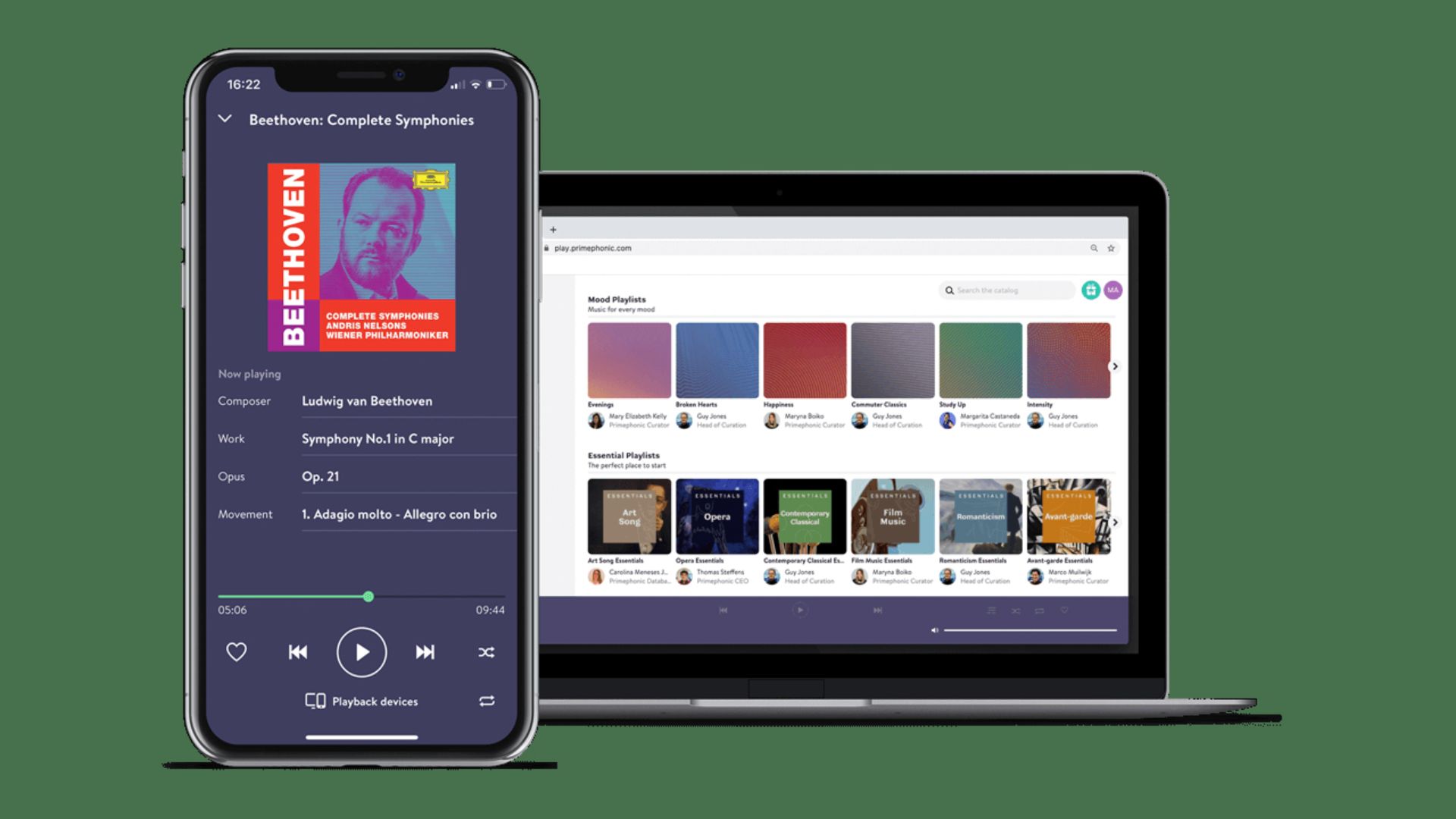
Pricing: Free with optional premium access
Some people want to study classical music.
Some people need a softer entry point.
Grandioso understands that not everyone wants to dive headfirst into a music history course. Instead, it turns learning into short, approachable sessions that feel closer to a game than a lesson.
Its strongest feature is ear-training quizzes.
Rather than asking endless trivia questions, the app plays short musical clips and challenges you to recognize composers or musical periods. Is that Bach? Tchaikovsky? Baroque? Romantic?
At first you're guessing.
Then patterns start appearing.
You begin noticing textures. Instrument choices. Rhythms. Suddenly a harpsichord enters and your brain goes: Wait—I know this.
That's a satisfying moment.
· Friendly learning sessions designed for beginners.
· Composer stories focus more on interesting historical context than dense theory.
Cons
· The catalog stays fairly focused on major works and well-known names.
· Daily progress eventually slows unless you move beyond the free version.
· Think of it as a welcoming doorway rather than a complete destination.
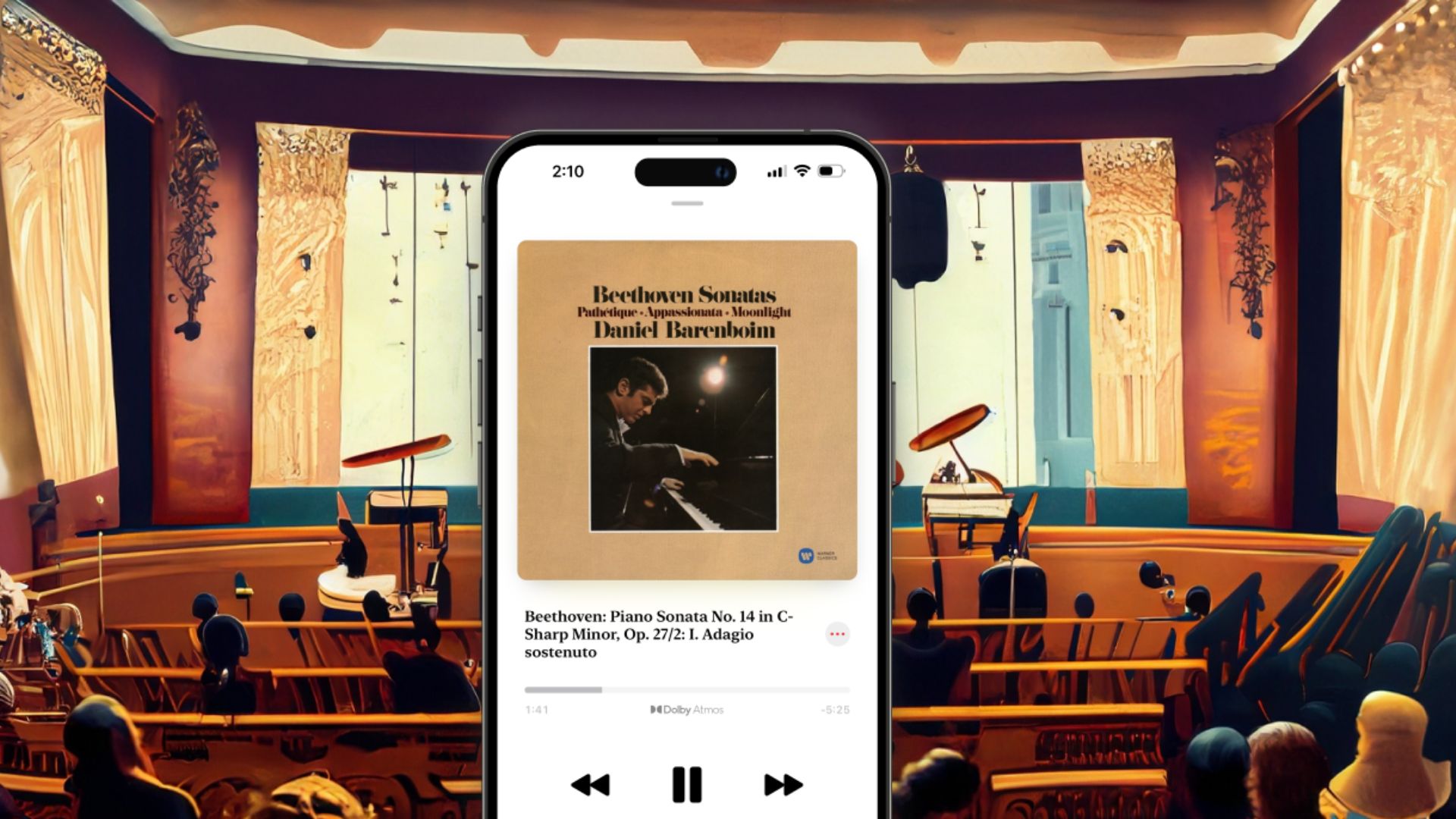
Availability: iOS, Android, and Web
Pricing: Free basic access / Premium starts at $9.99 monthly
IDAGIO feels like it was built by people who care deeply—maybe obsessively—about classical music.
And that's not a bad thing.
Instead of relying heavily on recommendation algorithms, the platform leans into human curation. Playlists arrive organized by instruments, historical eras, moods, and styles.
That sounds simple until you realize how useful it becomes.
Because in classical music, interpretation matters. A lot.
Two conductors can perform the exact same work and create experiences that feel dramatically different. IDAGIO makes those comparisons easy and gives enough context to understand why.
· Excellent audio quality that rewards careful listening.
· Thoughtful catalog organization and musician-focused payout systems.
Cons
· Educational material feels lighter and less structured than Apple's approach.
· Some niche recordings can be difficult to find.
· For people who already love classical music—or suspect they might—IDAGIO becomes easy to spend time with.
A lot of time.
For most people trying to understand composers, periods, and the bigger story behind classical music, Apple Music Classical feels like the strongest overall experience.
Grandioso makes learning approachable. IDAGIO offers incredible listening depth for dedicated fans.
But Apple’s advantage is balance.
Because understanding classical music isn’t about memorizing dates or composer biographies. It’s about building connections.
You hear a piece.
You learn where it came from.
You understand what changed.
And eventually something interesting happens.
Beethoven stops being just a name attached to Symphony No. 9.
Bach stops sounding like background music.
The timeline begins to take shape—and what once felt like a private club starts feeling a lot more welcoming.